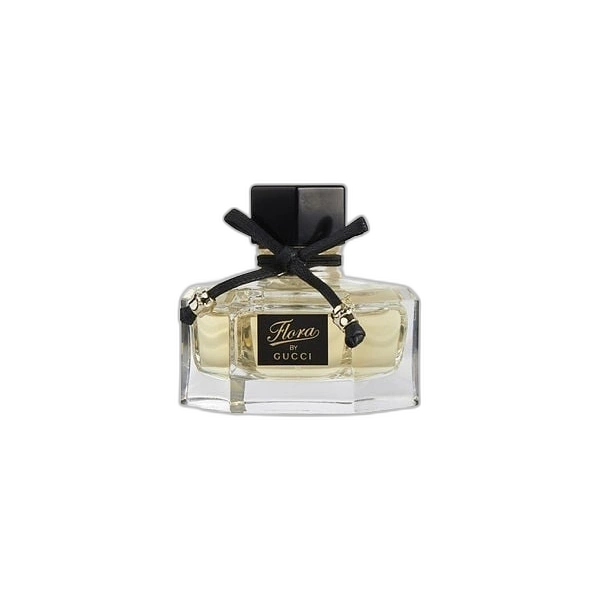
Our take
What does Gucci Flora smell like?
Gucci Flora was born in 2009, drawing on the house’s famous floral print, originally designed for a silk scarf. The fragrance shares its lightness. The opening combines citrus, mandarin and peony for a fresh, soft, lightly fruity start. Rose, osmanthus and patchouli meet at the heart: osmanthus brings its apricot and soft-leather facet, while patchouli adds an unexpected woody shadow. Sandalwood, musk and amber keep the base creamy and quiet, leaving an impression of clean, scented skin. It is a youthful, easy-to-wear floral that suggests a spring garden rather than an opulent bouquet.
When to wear it
A daytime scent for spring and summer, at the office or on casual outings. It suits women who like soft florals that stay in their lane.
The story of Gucci Flora
The Flora pattern is older than the perfume. Vittorio Accornero drew it in 1966 for a scarf meant for Grace Kelly, then Princess of Monaco, and it became one of Gucci's best-known prints. Frida Giannini, the house's creative director from 2006, brought it back on bags and clothing. The 2009 fragrance extended that revival. It aimed at a younger customer than Gucci's big woody florals of the past. The idea was a clear, daytime bouquet of peony, rose and osmanthus, with a little patchouli to keep it from turning sugary. The print itself did most of the storytelling. A whole family soon grew from it. In 2012 came a collection of five floral variations, including Gorgeous Gardenia, which outlived the others and was later relaunched in reworked form. Today the Flora name suggests that garden range as much as the 2009 bouquet, which is lighter and tamer than its successors.
Our detailed review
Mandarin and citrus launch it on a tart note that peony softens right away. It smells fresh and clean, a little like shampoo. After half an hour the heart comes into focus. The rose stays quiet, but osmanthus brings the part that makes Flora interesting: a faint facet of dried apricot and soft leather. Patchouli, kept low, casts a woody shadow beneath the flowers. We like this phase, which lasts two or three hours. Then sandalwood and musk take over and it turns into clean, creamy skin, pleasant but without much personality. That is its main flaw. Flora lacks depth and fades too early, to the point where you wonder by late afternoon whether you wore it at all. It suits women who like light florals and want a daytime scent that bothers nobody. Anyone after a rich bouquet or a warm base will be disappointed, as will those who want a perfume to be heard.
Gucci Flora vs its rivals
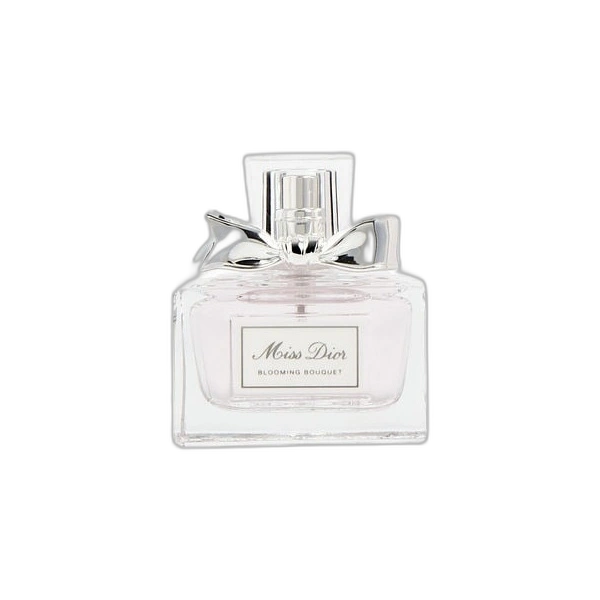
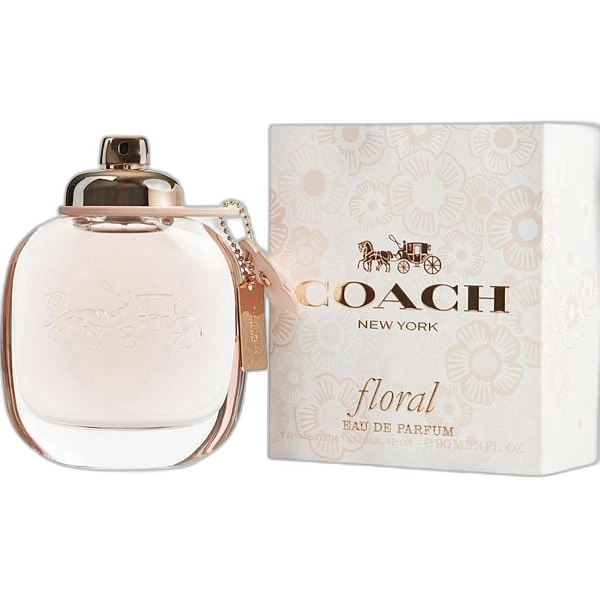
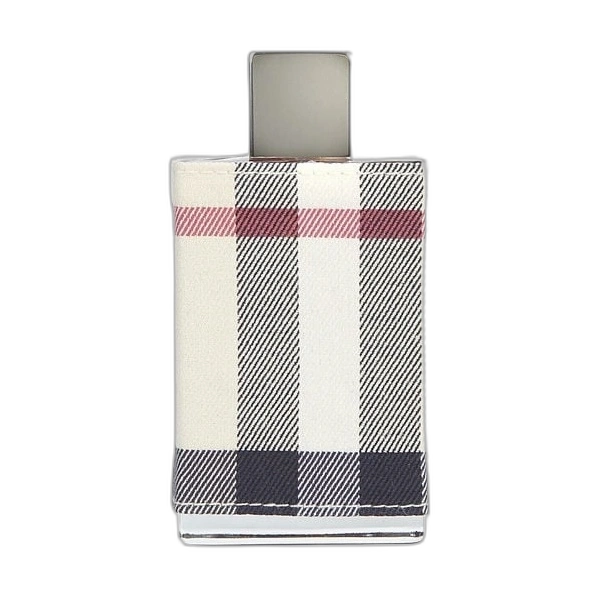
Miss Dior Blooming Bouquet is the most direct rival. Both pair mandarin, peony and rose with a musk, patchouli and amber base. Dior's apricot and peach make it fruitier and brighter over a very clean white musk. Flora gains character through osmanthus. Pick Blooming Bouquet for a bridal floral and Flora for a little more texture. Coach Floral shares citrus, rose and peony over musk and sandalwood. Pineapple and gardenia give it a fizzier, sweeter start aimed at a young crowd. Burberry London relies on honeysuckle, tiare and jasmine over the same sandalwood, musk and patchouli base. It is headier and more wintry. For a discreet spring floral, go with Flora or Blooming Bouquet. For more presence, London.
Longevity, projection and use
Low intensity despite the eau de parfum label. Flora usually lasts three to five hours on skin, with a light trail that shrinks after the first hour. So spray generously. Four sprays across the neck, nape and hair give decent presence for the day. One on a silk scarf, a nod to its origins, keeps the peony going. It is a spring and summer daytime scent for the office and casual outings. A small atomiser in your bag allows a top-up mid-afternoon. In the evening or in cold weather it fades too quickly.
It belongs to the Floral family. Gucci Flora is one of 6 creations by Gucci in our encyclopedia.