What does Akigalawood smell like?
Where patchouli smells of cellars and camphor, Akigalawood keeps the wood and drops almost all the earth. What remains is a dry, peppery wood with a faint smoky edge close to oud. It has none of agarwood's animal side. On skin it settles slowly and lasts for hours at the base, like a foundation. It adds relief to gourmand accords without weighing them down.
Origin and production
Akigalawood is what the industry calls a captive: a material reserved for the perfumers of the company that developed it, here Givaudan. It is made from patchouli essential oil, transformed through a biotechnological process. So it is neither a classic essential oil nor a molecule built from scratch in a lab. The patchouli behind it comes from Pogostemon cablin, grown mainly in Indonesia.
How perfumers use it
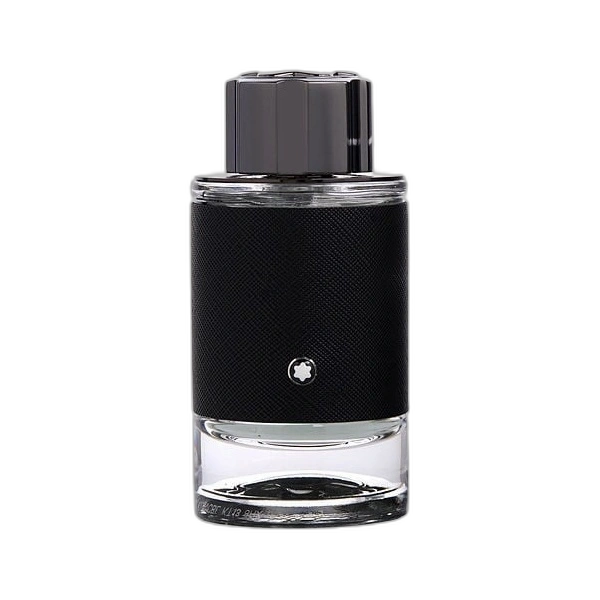
Akigalawood belongs in the base, where it extends woods and resins. It pairs with natural patchouli, cedar and labdanum, or with gourmand notes such as date and praline. Montblanc Explorer (2019) uses it in the base of an aromatic woody scent. Lattafa Khamrah (2022) relies on it to dry out a very sweet base. Maison Crivelli Oud Maracujá and Amouage Guidance, both from 2023, pair it with cistus. It has become a marker of recent niche perfumery.
How to wear it
Akigalawood suits October to April, and its staying power means you can spray clothes. Khamrah is loud and needs only one spray. Explorer is airier and fine for the office.