Era

The 1990s, between transparency and sugar

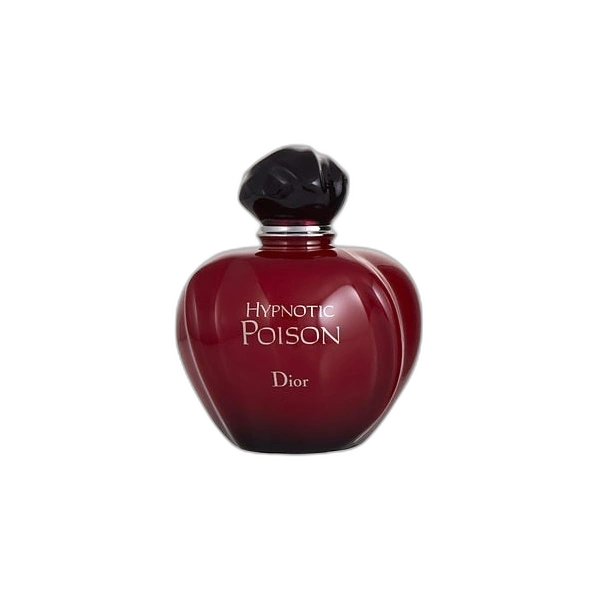
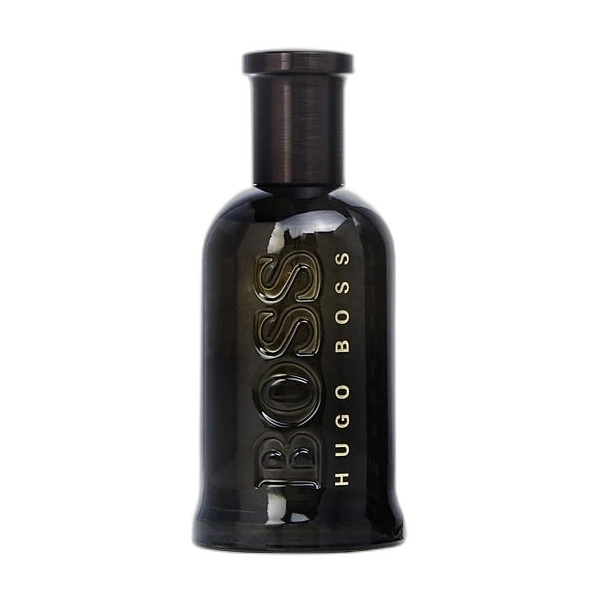
After the excesses of the 1980s, the 1990s called for transparency. Yet the decade also invented its opposite: the spectacular gourmand of Angel.

22perfumes
17houses
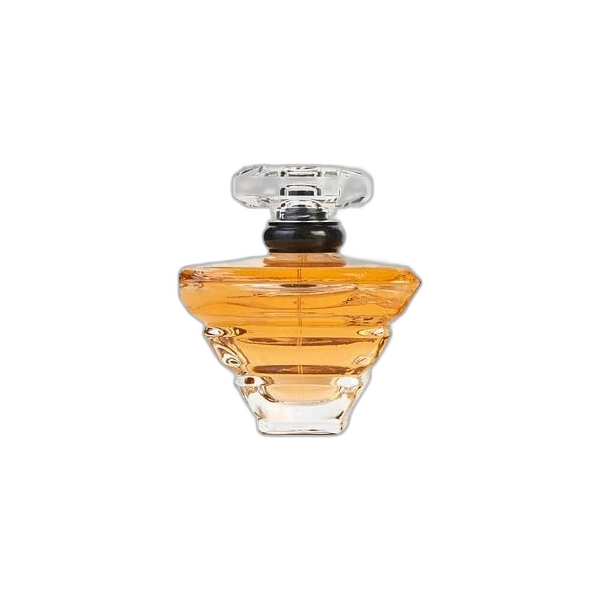
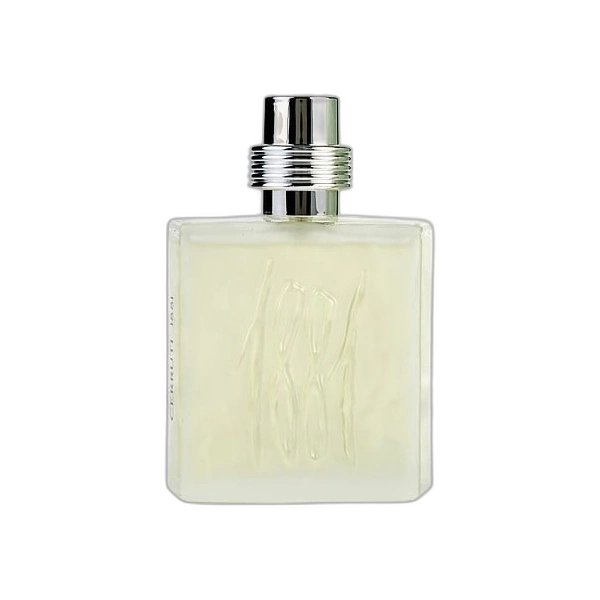
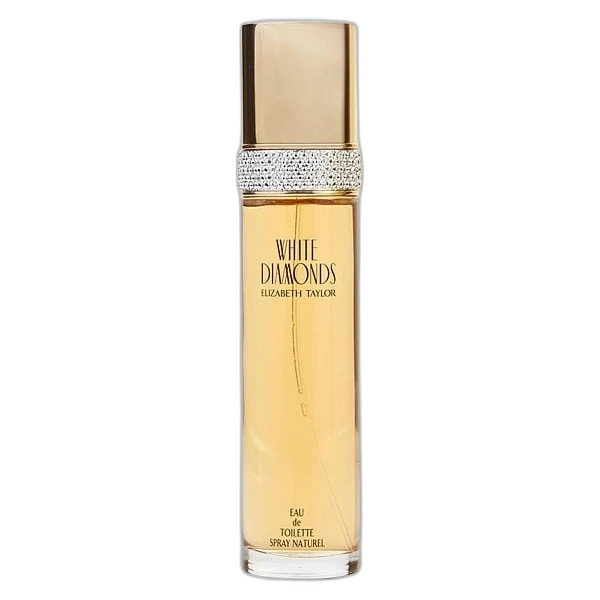
Trésor Lancôme1881 CerrutiWhite Diamonds Elizabeth Taylor

The spirit of a decade

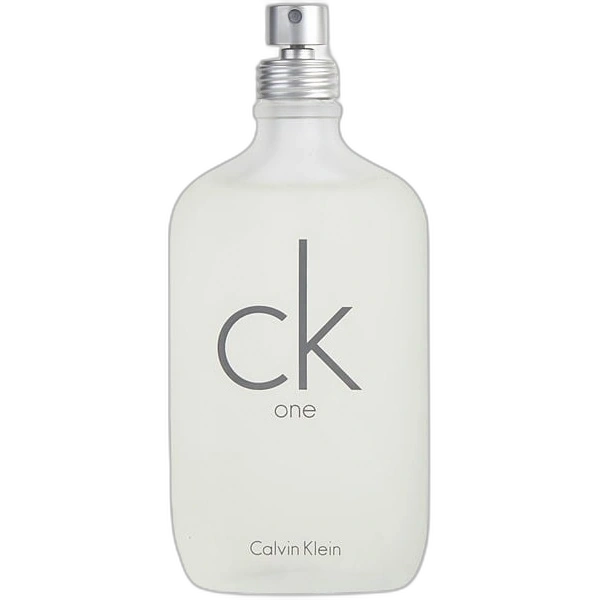
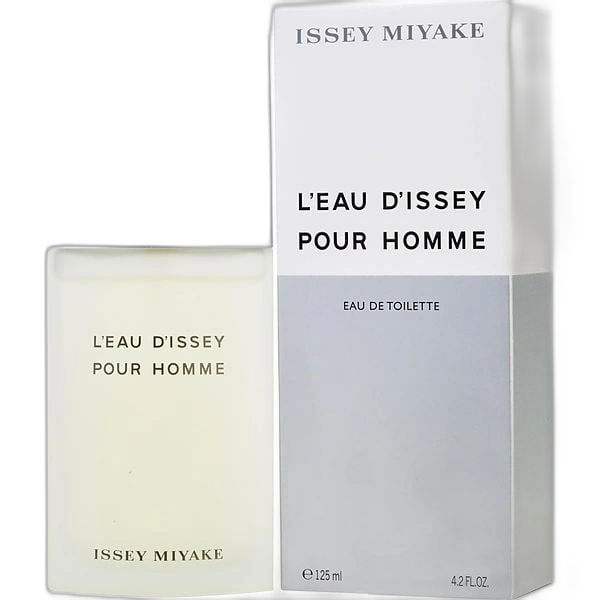
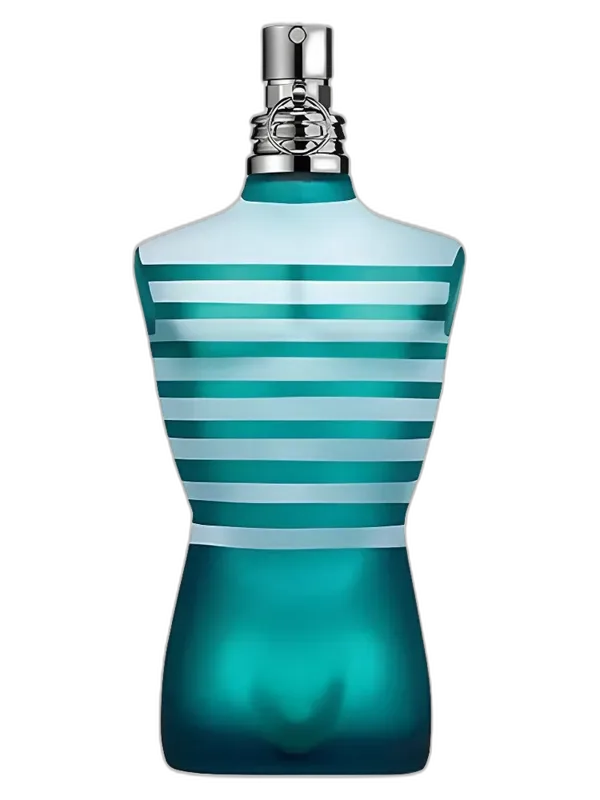
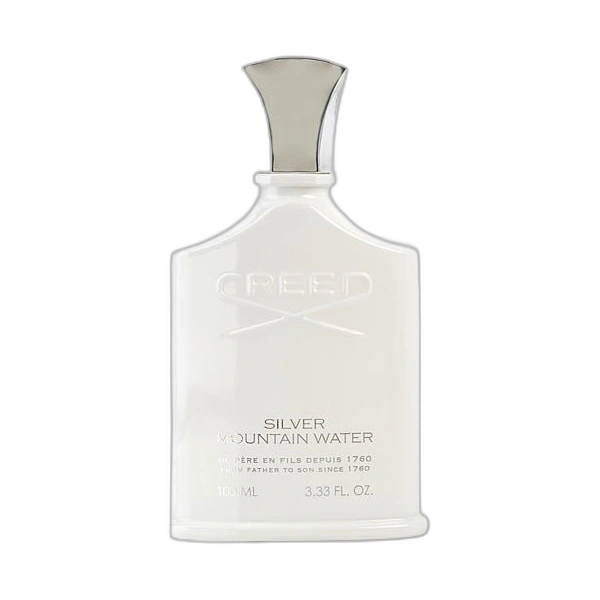
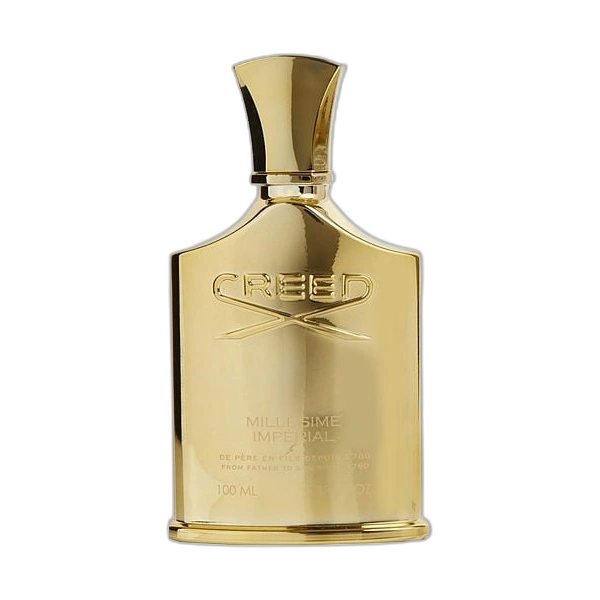
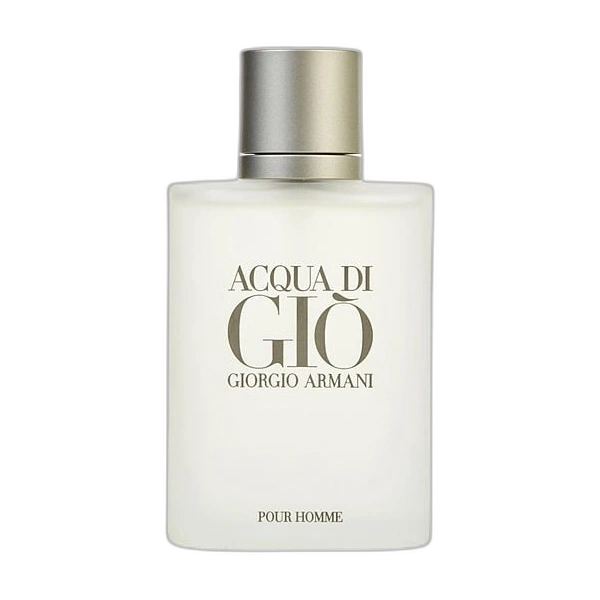
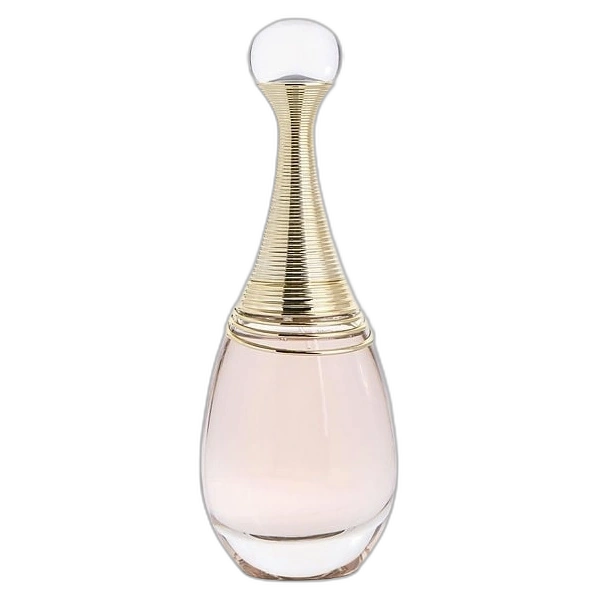
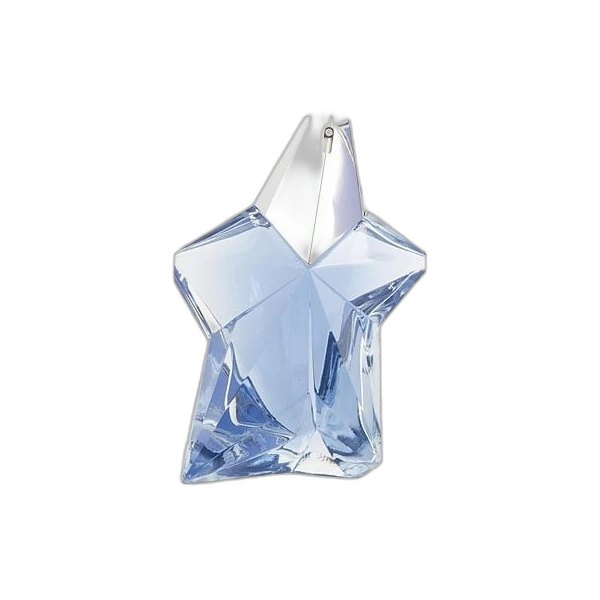
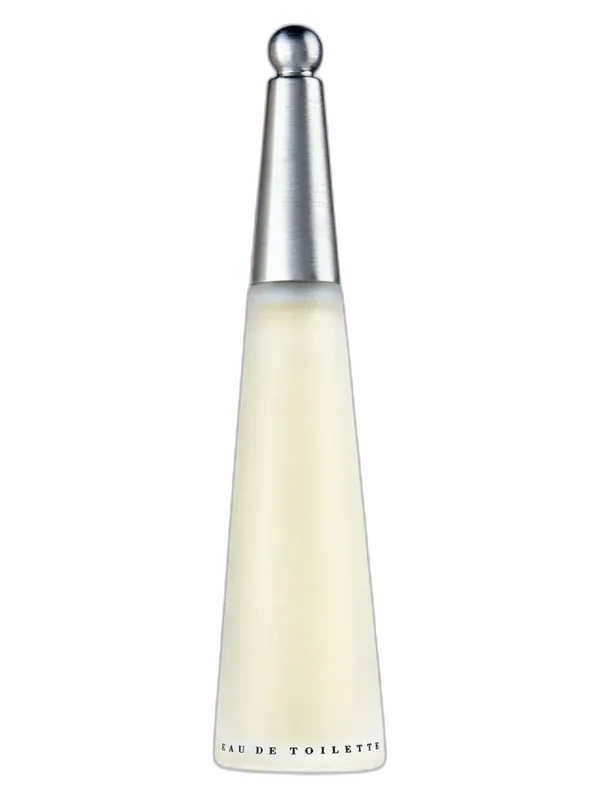
Minimalism took over fashion and design, and perfumery followed. L'Eau d'Issey, in 1992, imagined water running over a flower, and Giorgio Armani's Acqua di Giò, in 1996, set the template of salty, sunlit skin. Calvin Klein launched CK One in 1994, a perfume shared by men and women that popularised the idea of unisex. Against the tide, Mugler's Angel, composed by Olivier Cresp in 1992, invented the gourmand family with its overdose of sugar and patchouli. Jean Paul Gaultier launched Le Mâle in 1995, a vanilla fougère that became a classic. The end of the decade saw glamour return with Dior's J'adore in 1999. Meanwhile, niche perfumery emerged: Serge Lutens opened Les Salons du Palais-Royal in 1992, and houses such as Diptyque and Creed gained visibility.
Frequently asked questions

Which perfumes defined the 1990s?

Mugler Angel, Calvin Klein CK One, Issey Miyake L'Eau d'Issey, Giorgio Armani Acqua di Giò, Jean Paul Gaultier Le Mâle and Dior J'adore are among the most emblematic. Our selection includes around twenty perfumes launched between 1990 and 1999. Several remain bestsellers.

Why is CK One so important?

CK One, launched in 1994, popularised the idea of a perfume designed to be shared by men and women. Its very light citrus and musky profile and its youth-focused campaign made it a symbol of the decade. It paved the way for today's many unisex fragrances.

When did niche perfumery appear?

Independent houses existed earlier, such as Diptyque, founded in 1961, and L'Artisan Parfumeur, in 1976. But the 1990s marked a turning point, with Serge Lutens opening Les Salons du Palais-Royal in 1992 and growing interest in bolder creations outside mass retail.