The story of Mugler
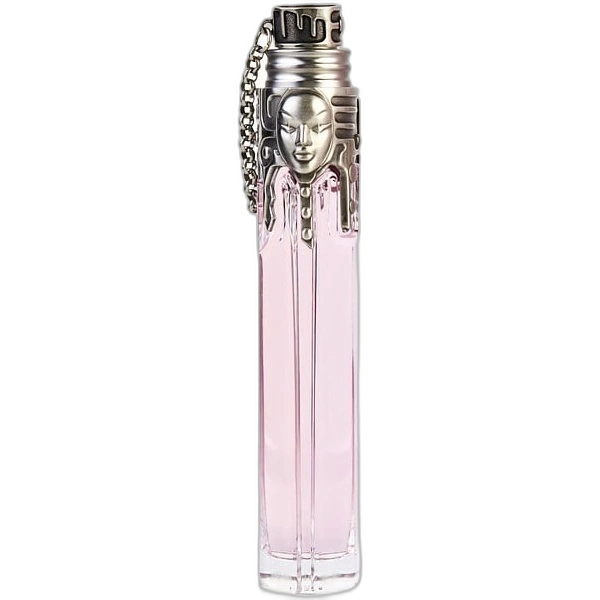
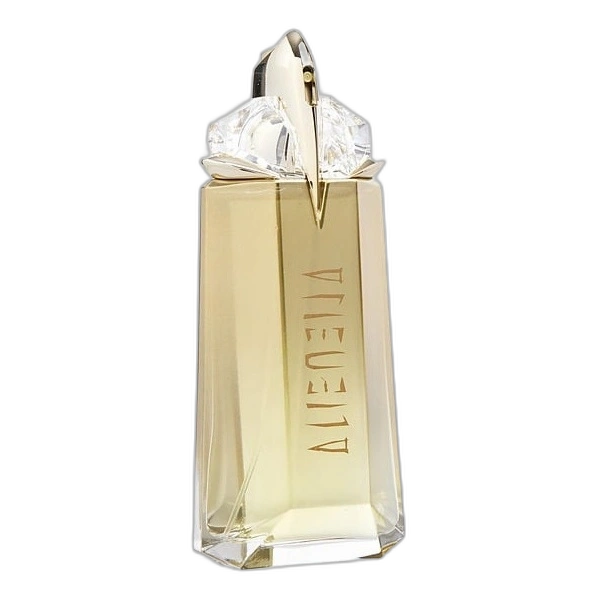
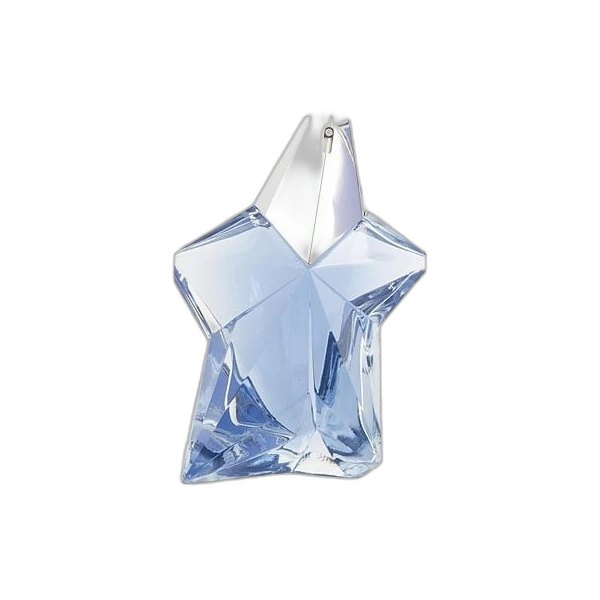
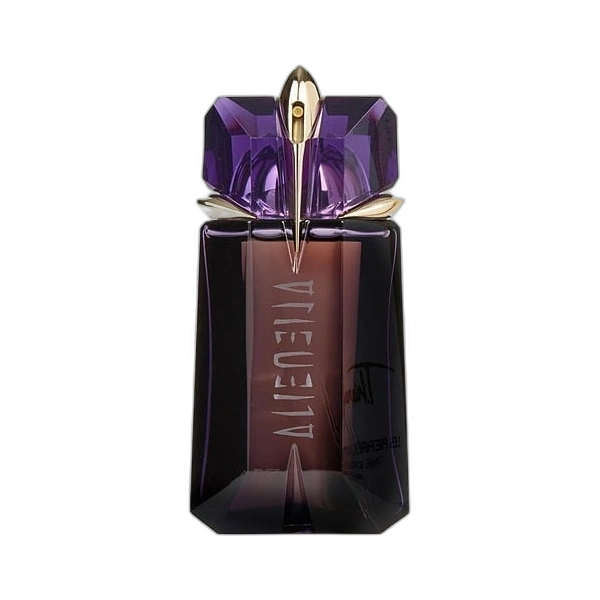
Thierry Mugler showed his first collection in the early 1970s and founded his house, whose theatrical shows and sculptural silhouettes defined the 1980s. In 1992 Angel, composed by Olivier Cresp, shook up perfumery: an accord of candy floss, caramel and chocolate set on massive patchouli, in a refillable star-shaped bottle. The gourmand family was born. A*Men, in 1996, carried the idea over to men with coffee and caramel. Alien, in 2005, by Dominique Ropion and Laurent Bruyère, introduced a sunny, woody jasmine. Womanity (2010), with its strange fig and caviar accord, and Alien Goddess (2021) extended that freedom. The fragrances, long developed within the Clarins group, have been run by L'Oréal since 2020. Thierry Mugler died in 2022, leaving a perfume legacy as influential as his fashion.
An olfactory signature
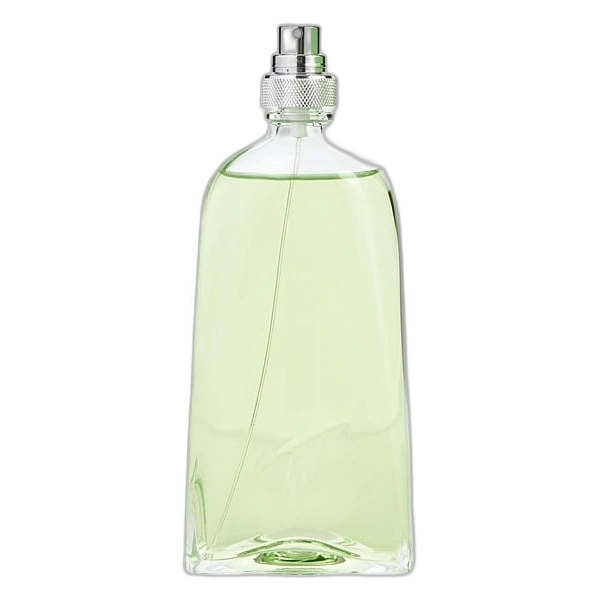
Mugler embraces excess and singularity. Angel and A*Men share the same framework: patchouli, vanilla and tonka in the base, with caramel, honey, chocolate or coffee at the heart. Alien prefers radiant jasmine over cashmere wood and white amber, Alien Goddess jasmine and heliotrope over vanilla. Womanity twists fig with a salty caviar note. Only Mugler Cologne plays it sober: neroli, bergamot, orange blossom and clean musk, as a counterpoint to the rest.
Which Mugler perfume to choose?
For the original gourmand, choose Angel for women and A*Men for men, both powerful. Alien suits lovers of bright, woody jasmine; Alien Goddess, softer, plays coconut water and vanilla. Womanity will intrigue the curious with its salty fig. For a clean freshness to wear anywhere, Mugler Cologne is the lightest and most unisex option.