A fougère does not smell of fern
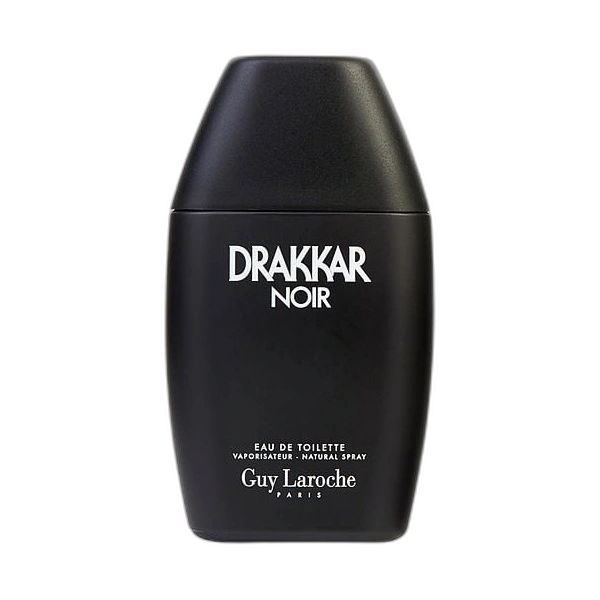
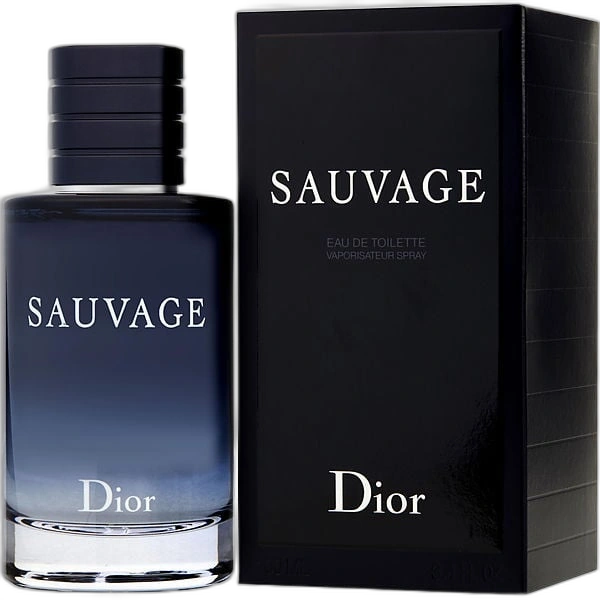
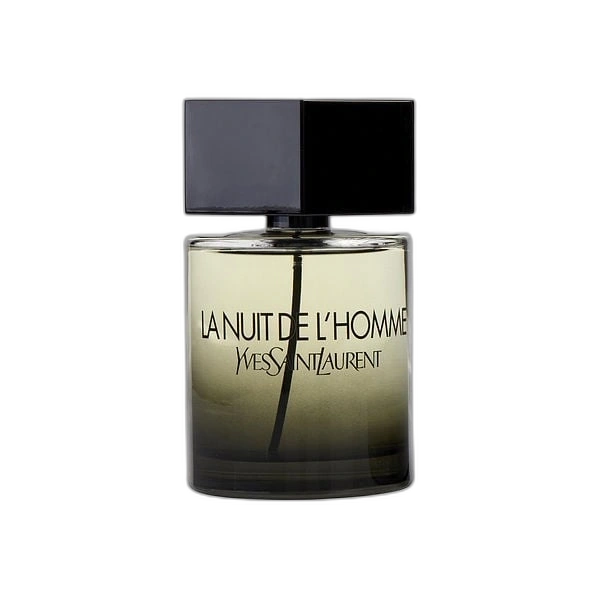
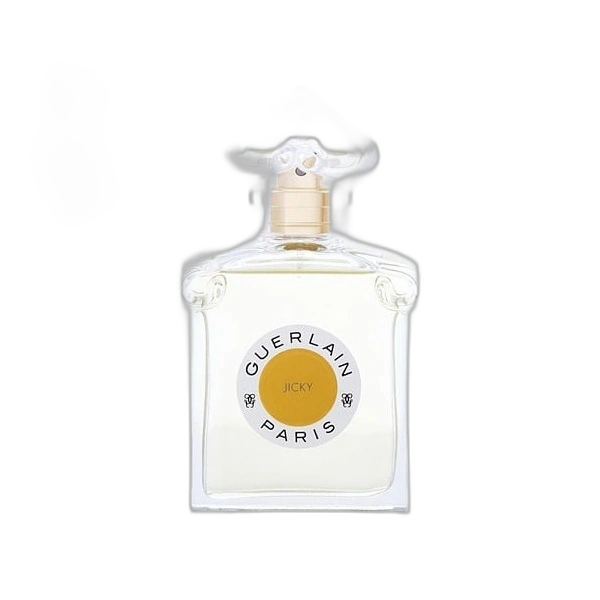
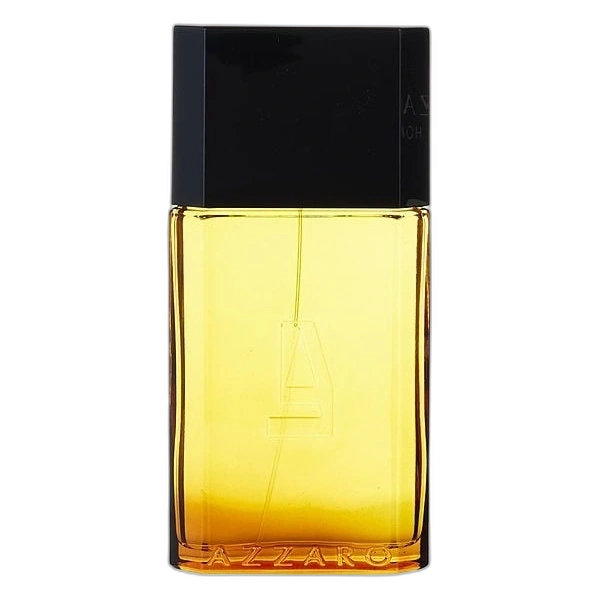
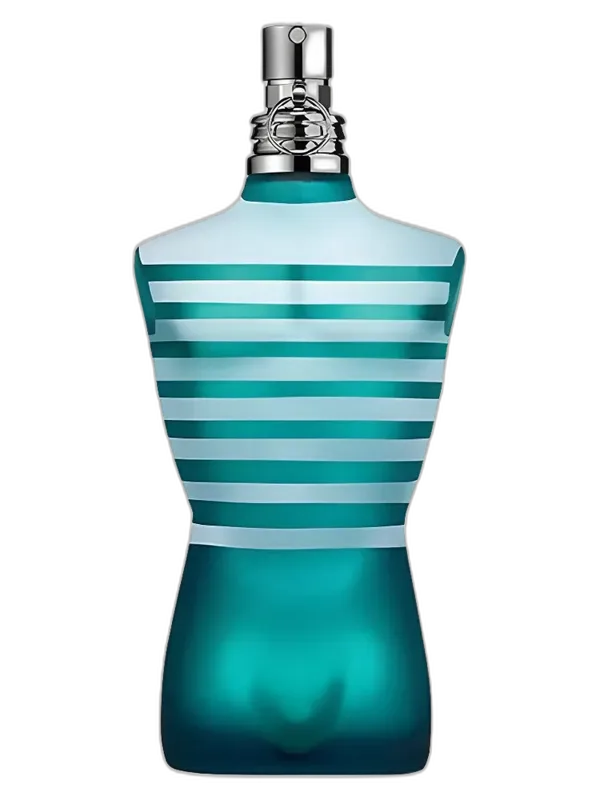
Ferns barely smell of anything. The name comes from Houbigant's Fougère Royale, launched in 1882. It gave its name to a whole accord: lavender, geranium, oakmoss and coumarin (the molecule behind the scent of cut hay and tonka bean). Guerlain Jicky, from 1889 and part of our ranking, is a close cousin with more vanilla and a feral edge. The fougère became the most masculine family in perfumery. It barely exists in women's fragrance, where lavender and oakmoss are rare or folded into chypres. Most picks here keep at least two pillars of the accord. Azzaro Pour Homme and Drakkar Noir have lavender and oakmoss. Le Male and La Nuit de l'Homme pair lavender with tonka or coumarin. Sauvage keeps lavender and geranium but swaps the moss for ambroxan.
Classic, fresh, amber or loud: four kinds of fougère
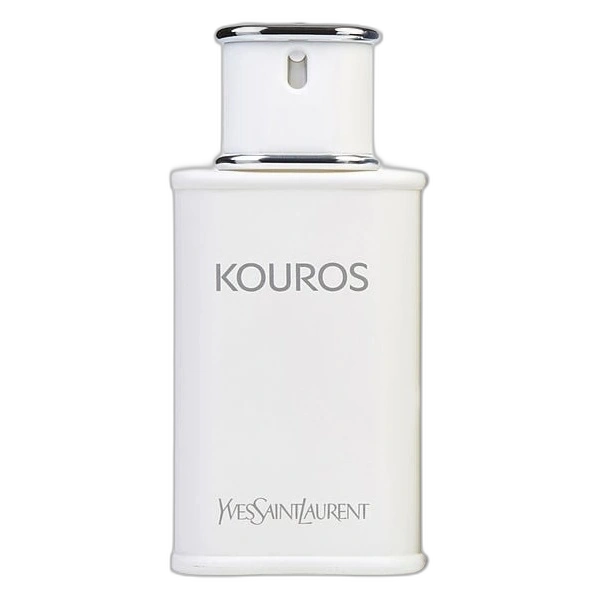
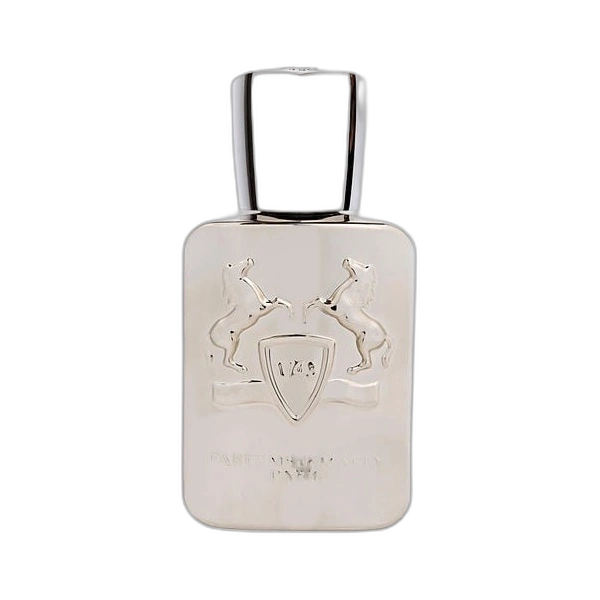
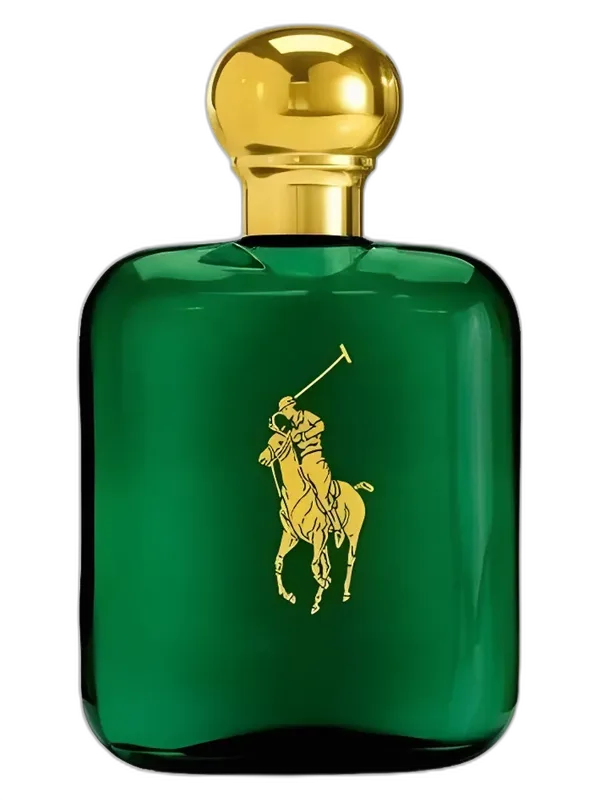
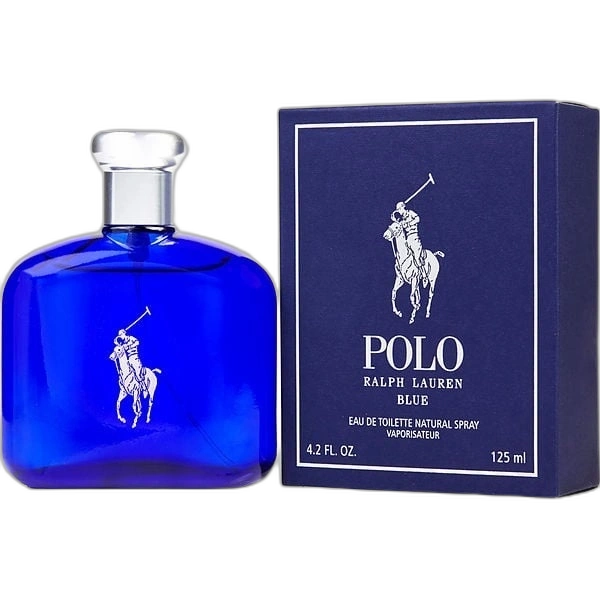
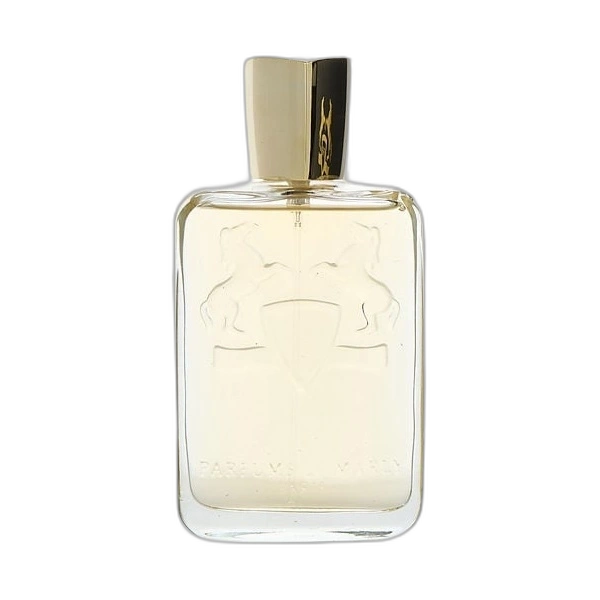
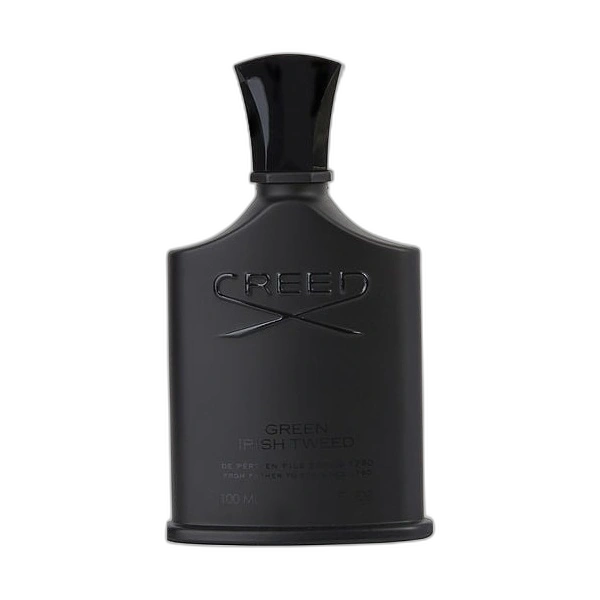
The classic fougère (Azzaro Pour Homme, Drakkar Noir) is herbal, a little soapy and very 1980s. It suits men who like an old-school barbershop shave. The fresh, green fougère (Green Irish Tweed, Sauvage) keeps the structure but lightens everything: verbena and violet leaf in the Creed, pepper and ambroxan in the Dior. It is the easiest to wear daily. The amber fougère (Le Male, La Nuit de l'Homme, Pegasus) adds vanilla, cardamom or almond. It is softer and better for evenings. The loud fougère (Polo, Kouros) pushes moss, leather or civet to the limit. Both rate 5 out of 5 for strength. Pick by season. Fresh fougères suit spring and summer, while amber and loud ones wait for fall. One or two sprays of Kouros or Polo is the maximum.