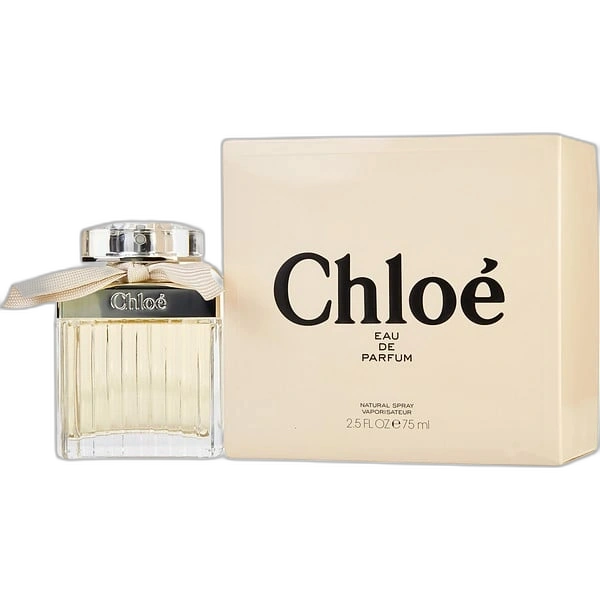
A short history
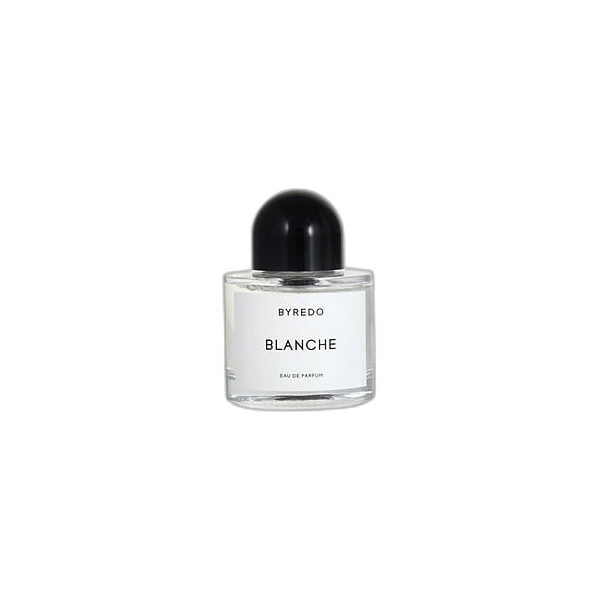
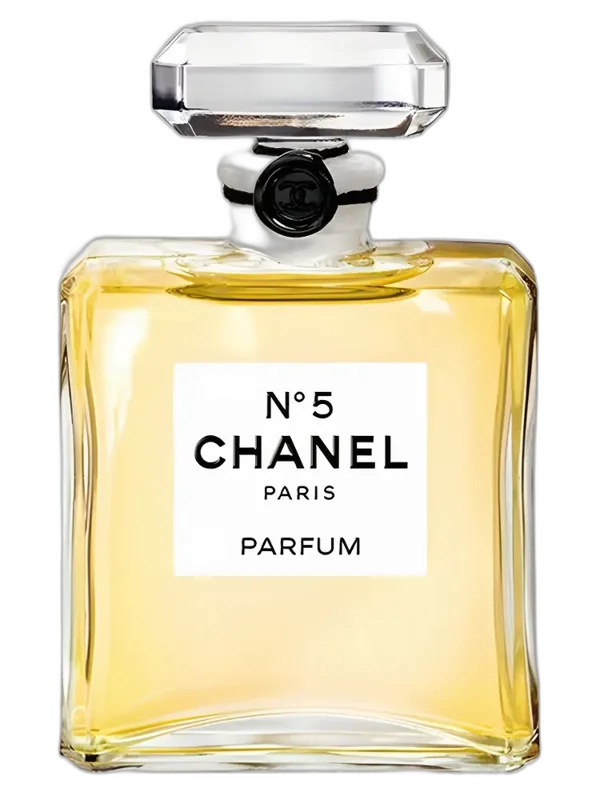
The powdery effect was born with late nineteenth-century chemistry. Ionones, discovered in 1893, reproduced violet and gave compositions a cosmetic softness, while heliotropin added an almond veil. Guerlain turned this into an art: Après l'Ondée in 1906, then L'Heure Bleue in 1912, played on iris, violet and heliotrope. In 1921, Chanel N°5 combined aldehydes, iris and vanilla into a trail many describe as powdery. The style then became tied to cosmetics, since the scent of lipsticks and face powders often borrows from these materials. Long considered old-fashioned, it returned in the twenty-first century in a cleaner form: Dior Homme, composed by Olivier Polge in 2005, made iris a men's fragrance, and Byredo's Blanche made powder feel crisp, clean and luminous.
Sub-families
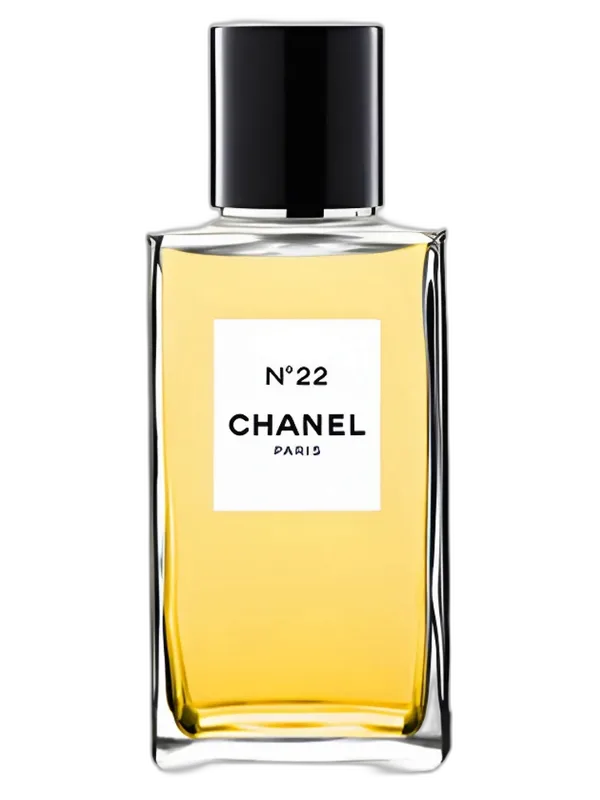
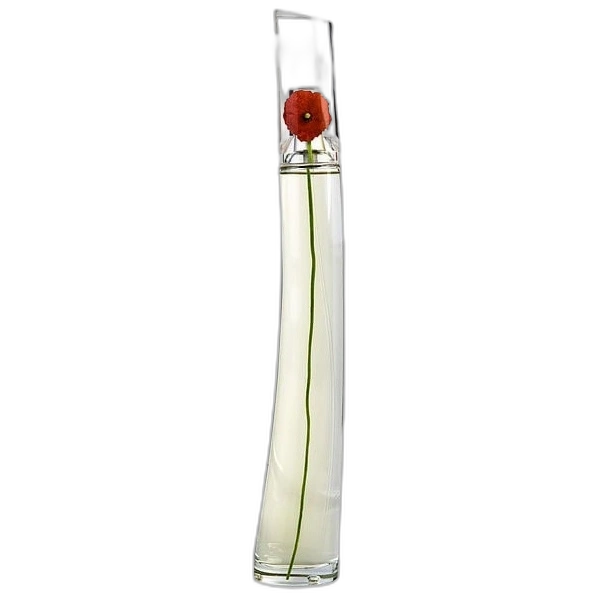
Iris powder, the most refined, relies on orris butter, with hints of carrot, earth and fine leather. Violet powder, driven by ionones, is sweeter and more retro. Aldehydic powder, in the line of N°5 and N°22, pairs soapy sparkle with softness. Almond or heliotrope powder evokes marzipan and rice powder. Musky powder, the most contemporary, melts into clean musks for a freshly washed skin effect, as in Blanche or Flower by Kenzo. Many perfumes use a powdery facet without belonging fully to the family.
How to wear it
Powdery scents bring a hushed softness that suits the office, dates and the in-between seasons. They sit best close to the skin: spray at the base of the neck or on the hair, never too much. Paired with soft fabrics such as cashmere or silk, they feel elegant rather than nostalgic.