What does Myrrh smell like?
Myrrh opens with a resinous, almost medicinal bitterness, then reveals balsamic warmth, liquorice and aniseed accents, and a surprising hint of mushroom and forest floor. Darker than frankincense and less sweet than benzoin, it feels both sacred and earthy. On skin it slowly settles into a warm, slightly smoky base that lasts for hours and gives the composition a velvety texture.
Origin and production
Myrrh comes mainly from Commiphora myrrha, a thorny shrub of the arid lands of Somalia, Ethiopia, Kenya and the Arabian Peninsula. The bark is cut so that resin beads out and hardens into reddish tears, which are distilled into an essential oil or processed into a resinoid. Burned in Egyptian temples and mentioned in the Bible, it is among the oldest known aromatic materials. Opoponax, or sweet myrrh, is a close relative.
How perfumers use it
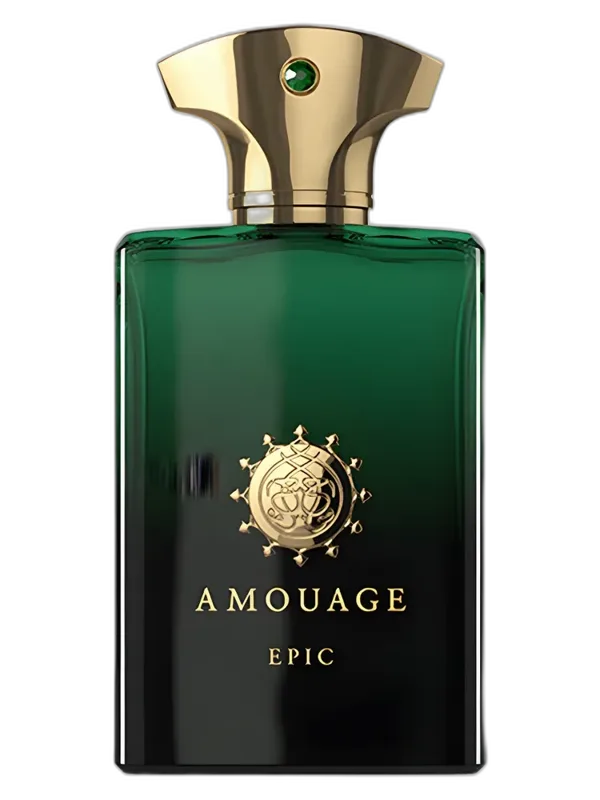
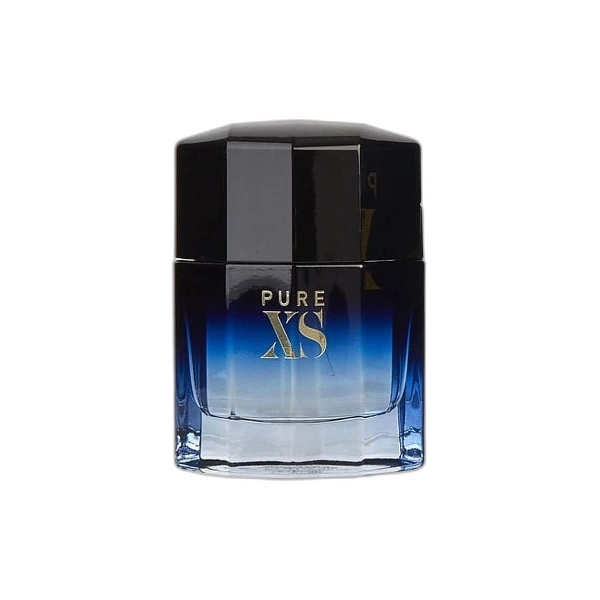
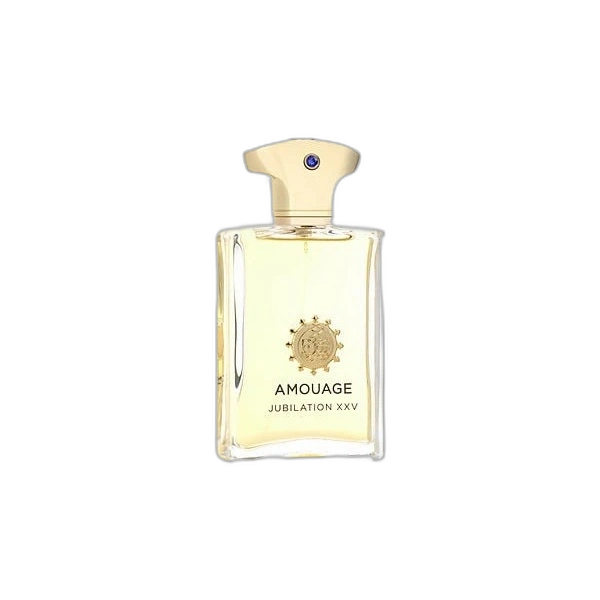
Myrrh is mainly used in the base or heart, where it anchors a composition and extends its longevity. It forms a classic liturgical pairing with frankincense and works with labdanum, oud, rose, vanilla and leather. Amouage Epic Man pairs it with geranium and incense, Amouage Jubilation XXV Man combines it with opoponax and oud, and Paco Rabanne Pure XS uses it to warm a sweet base.
How to wear it
Myrrh suits autumn and winter evenings and appeals to lovers of deep, resinous, contemplative fragrances.