What does Mimosa smell like?
Bury your nose in a branch of mimosa and the first thing you get is warm, almost floury powder. Honey comes next, then a green edge close to cucumber skin. Some people pick up a hint of almond. It is nothing like a heady flower such as tuberose. Mimosa stays airy and soft. On skin it rounds out fast and clings to violet and iris. It lasts reasonably well but speaks quietly.
Origin and production
The species used is mostly Acacia dealbata, native to south-eastern Australia. It arrived on the Riviera in the 19th century and spread across the Tanneron hills near Grasse. It flowers in January and February while the rest of the scrubland is still asleep. The flowering twigs go through volatile solvent extraction. That gives a concrete first, then a waxy yellow absolute. Yields are low and the price reflects it.
How perfumers use it
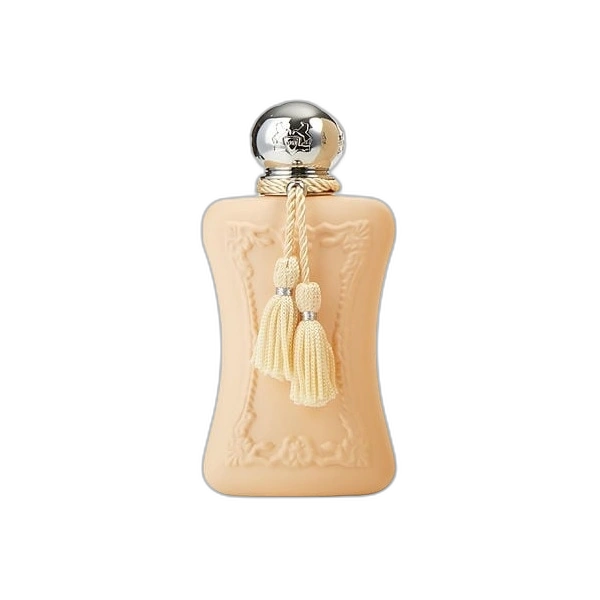
Mimosa pairs naturally with iris and violet, which share its powdery grain. Perfumers often boost it with synthetics for extra glow. Molinard Habanita already set it in a woody oriental in 1921, next to heliotrope. Cerruti 1881 pour Femme puts it in the top in 1995 among fresh flowers. Givenchy Dahlia Noir opens with it too (2011). Sunnier still, Parfums de Marly Cassili wraps it in plum and vanilla.
How to wear it
Mimosa suits February to April, when the light comes back. Two sprays on a light sweater are enough and it stays office-friendly. On very dry skin it fades quickly.