What does Oud smell like?
Natural oud is complex and challenging: woody, smoky and leathery, with facets of dried fruit, honey, earth and sometimes cheese or barnyard, depending on its origin. The oud accords used in Western perfumery are smoother, drier and woodier, with a medicinal touch. On skin oud is extremely tenacious: it evolves slowly, softens over time and leaves a dark, warm base for hours.
Origin and production
Oud comes from trees of the genus Aquilaria in South and Southeast Asia: India, Bangladesh, Cambodia, Laos, Vietnam and Indonesia. When wounded and infected by fungi, the tree produces a resin that saturates its wood, which is then burned or distilled into oud oil. Overharvested, wild species are protected under CITES, and inoculated plantations are expanding. A centuries-old tradition in the Middle East, oud entered Western perfumery in force in the early 2000s.
How perfumers use it
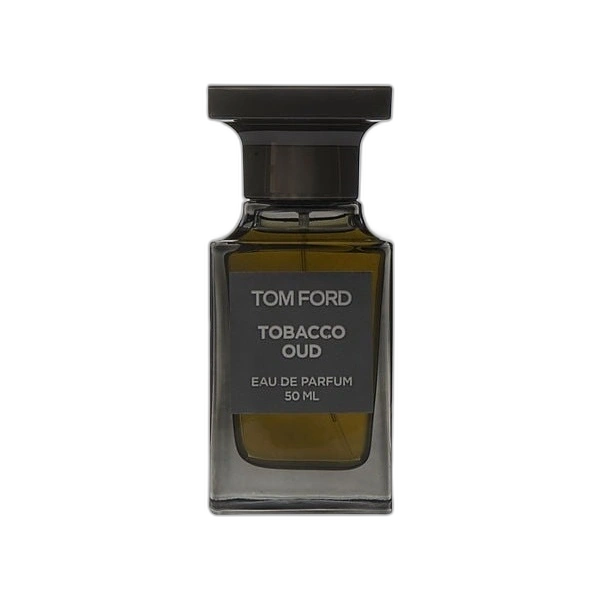
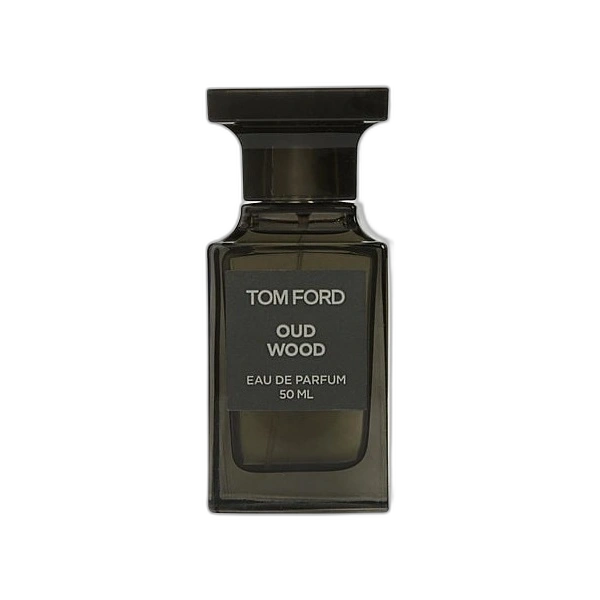
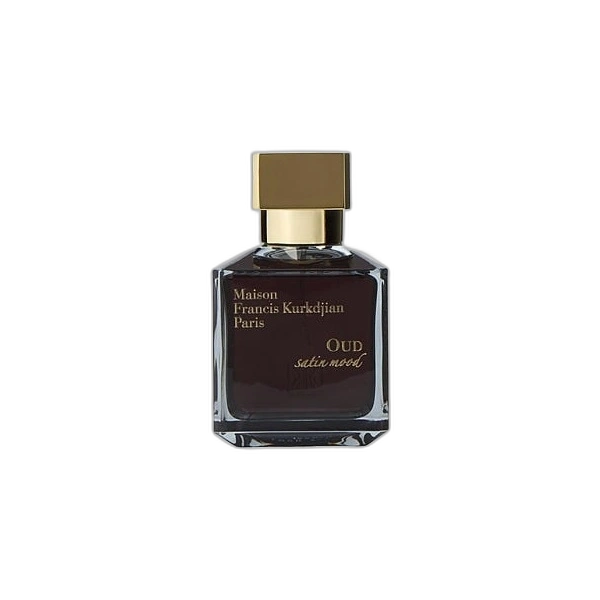
Placed in the heart or base, oud brings density, depth and an instantly recognisable signature. Perfumers rarely use the natural oil alone and rely mostly on synthetic accords. It pairs with rose, saffron, sandalwood, patchouli and amber. Tom Ford's Oud Wood made it accessible to a wide audience, while Maison Francis Kurkdjian's Oud Satin Mood wraps it in rose and vanilla.
How to wear it
Oud is an autumn and winter evening note. It appeals to lovers of intense, dark, opulent fragrances, regardless of gender.