Fragrance note

Amberwood: the Woody Note That Reshaped Modern Perfume

Amberwood is a synthetic woody-amber accord that is dry, warm and highly diffusive. It smells of pale wood, mineral amber and warm skin, with an almost electric hum. It is one of the most recognisable signatures of fragrances released in the 2010s and 2020s.

7perfumes
0as top note
2as heart note
5as base note
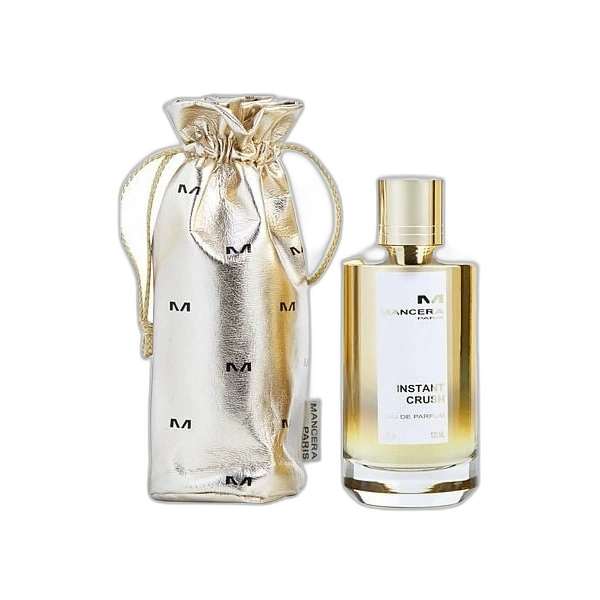
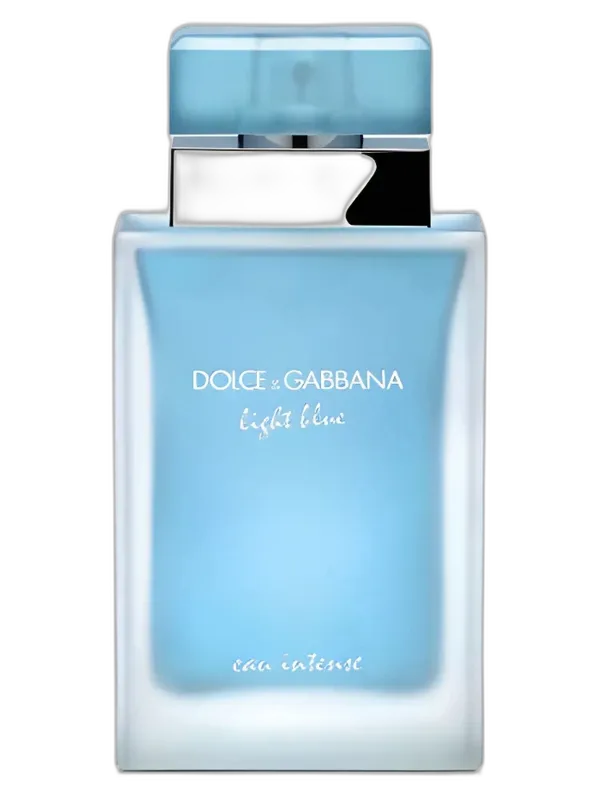
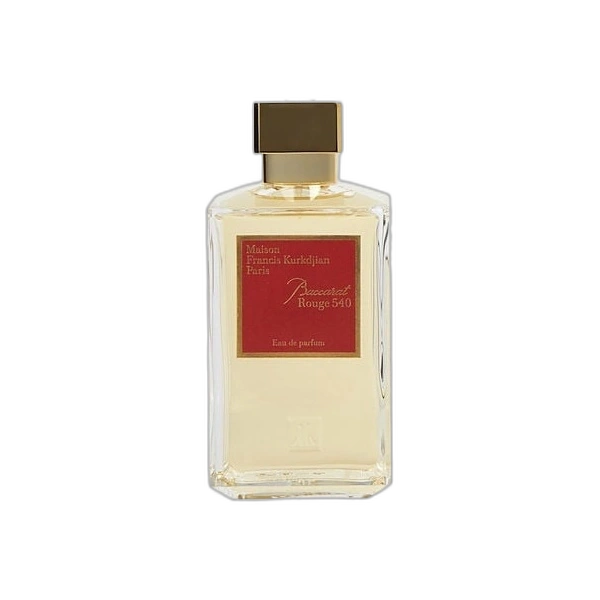
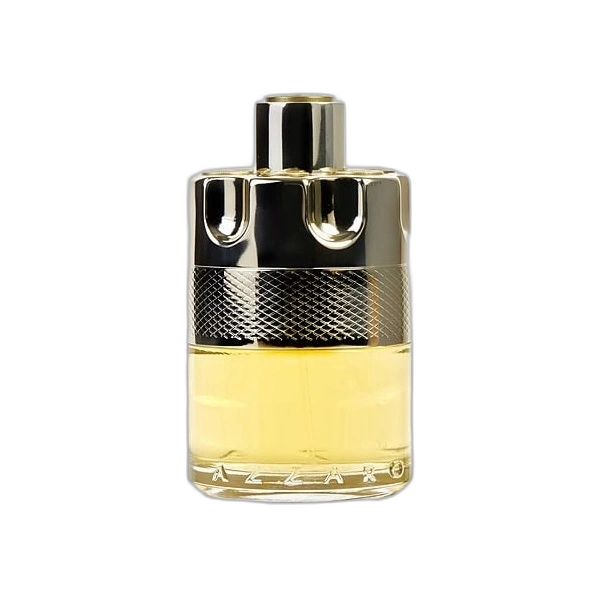
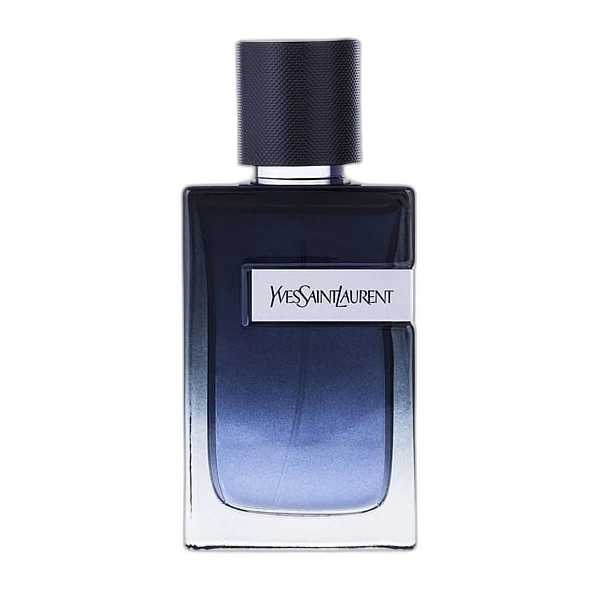
Baccarat Rouge 540 Maison Francis KurkdjianWanted AzzaroY Yves Saint Laurent

What does Amberwood smell like?

Amberwood opens with a dry, slightly peppery radiance reminiscent of sun-baked driftwood and warm stone. Depending on the molecules involved, it leans towards salty ambergris, chalky cedar or a rougher, faintly animalic rasp. Its great strength is diffusion: it forms a halo that lifts away from the skin and lingers for hours, often until the next day on clothing, while keeping a crisp, almost abstract clarity throughout.

Origin and production

Amberwood does not exist in nature. It is an accord built by perfumers from synthetic amber and woody molecules, including materials related to ambrox, which came out of research into the chemistry of ambergris, and very powerful ambery woods developed by the major fragrance houses from the 1990s onward. Their rise tracks the taste for bold projection that now dominates much of contemporary masculine and unisex perfumery.

How perfumers use it

Used in the base or heart, amberwood acts as a backbone: it extends longevity, boosts projection and gives a clean, modern feel. It pairs with citrus and lavender in today's fougères, with sage and apple in Yves Saint Laurent Y, or with saffron and jasmine in Maison Francis Kurkdjian Baccarat Rouge 540, where it sits right in the heart. Azzaro Wanted sets it against warm spices for a sharper, edgier effect.

How to wear it

Amberwood works year-round, especially in the evening and in autumn, for anyone who wants a clean, powerful and contemporary trail.
Frequently asked questions

What does amberwood smell like?

Amberwood smells of dry, pale wood warmed by a slightly salty amber facet, with very strong diffusion. People often describe it as mineral, clean and a little electric. It does not resemble any specific natural wood; it is a woody abstraction, designed to last and to be noticed from a distance.

Is amberwood a natural ingredient?

No. Amberwood is an accord made entirely or mostly from synthetic amber and woody molecules created in the lab. It comes from neither a tree nor fossil amber. That origin explains its consistency, strength and staying power, which far exceed those of most natural woods used in perfumery.

Why does amberwood last so long?

The molecules behind amberwood are heavy, slow to evaporate and noticeable at tiny concentrations. They linger on skin and cling especially well to fabric. That is why fragrances such as Baccarat Rouge 540 or Yves Saint Laurent Y leave such a durable trace, sometimes still detectable on a scarf the following day.