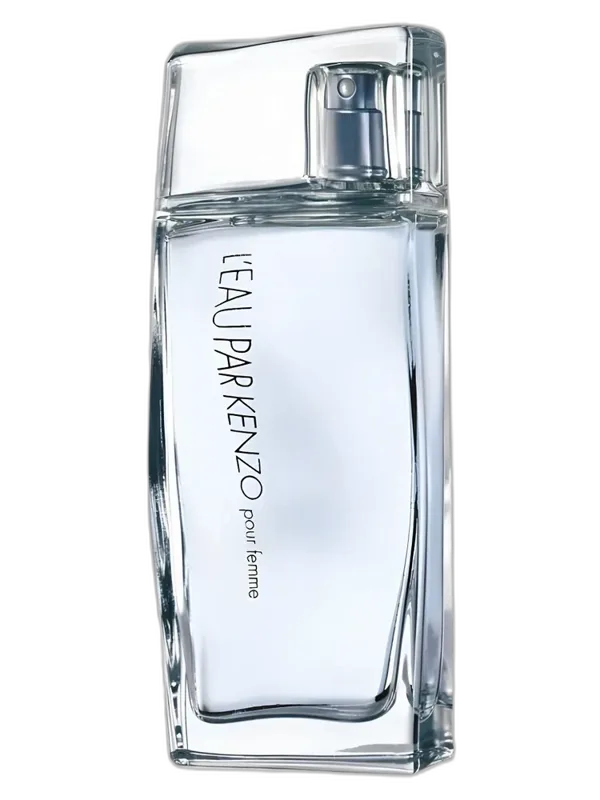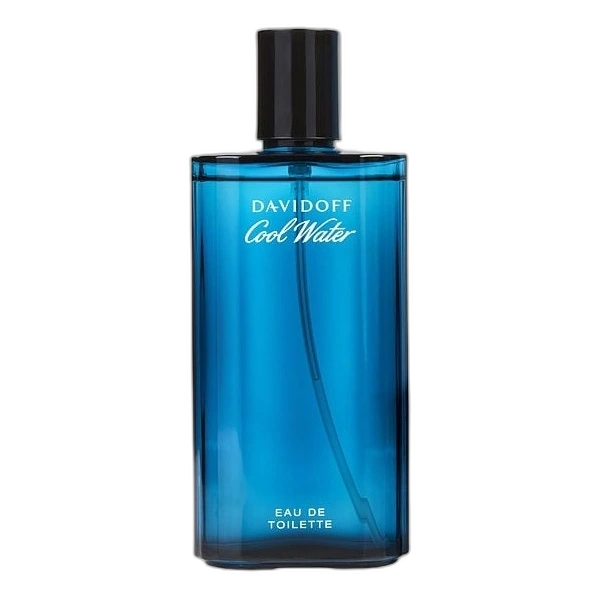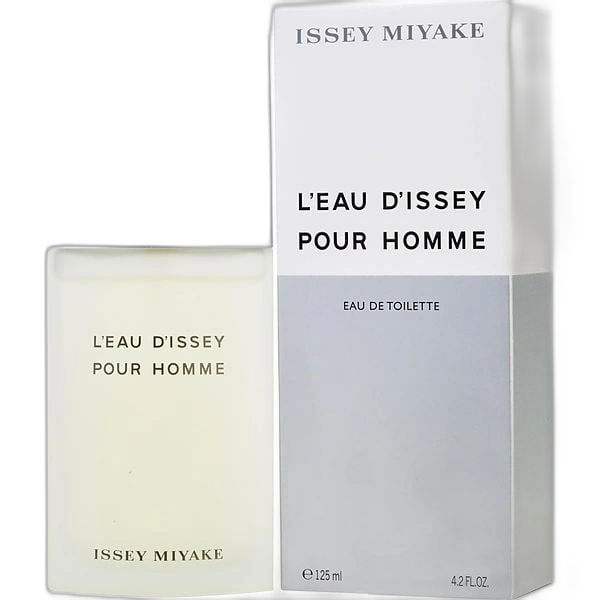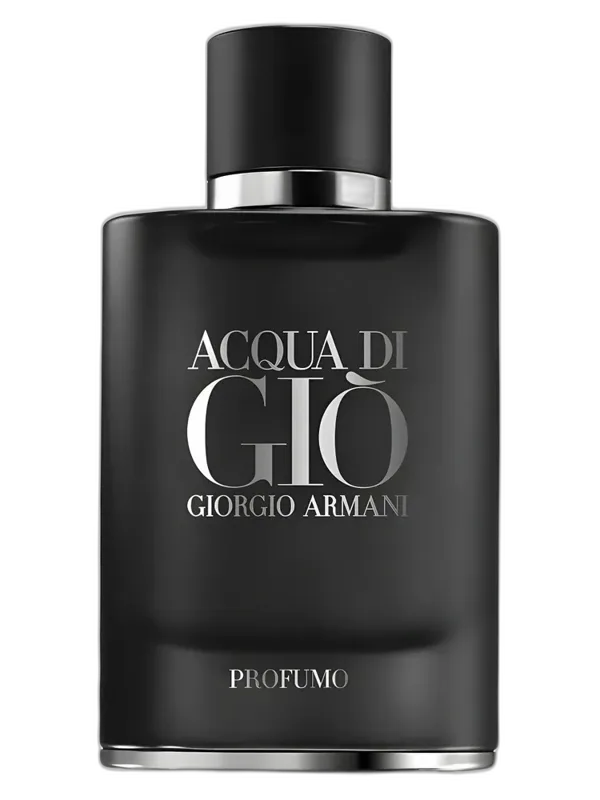
A short history
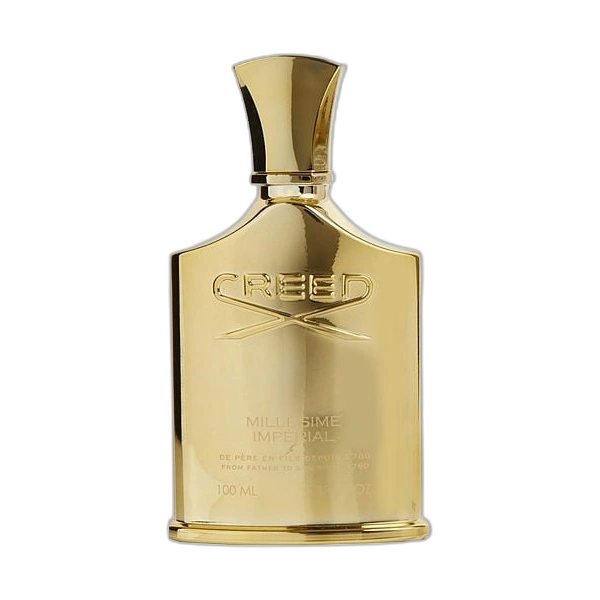
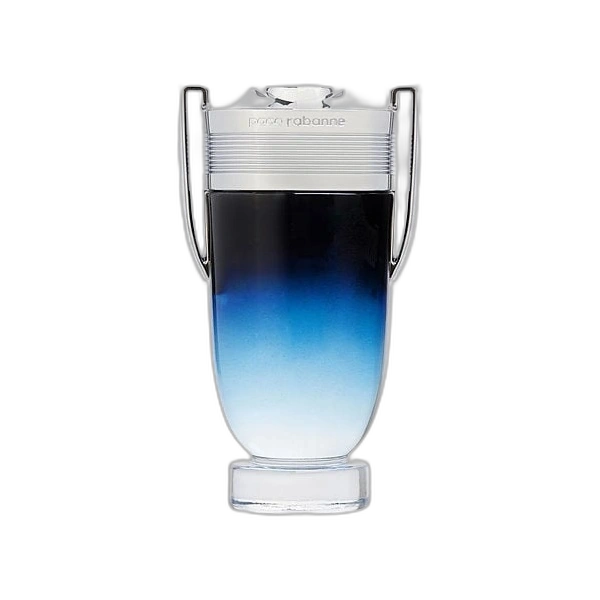
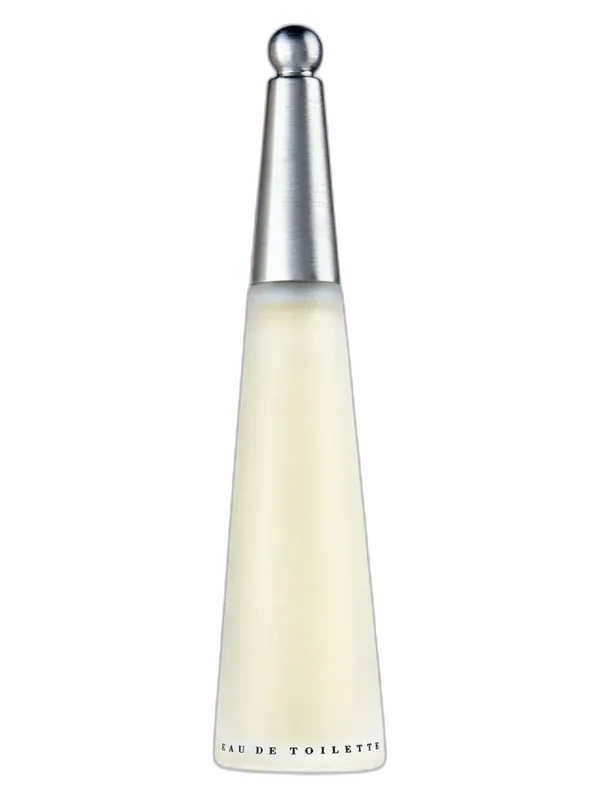
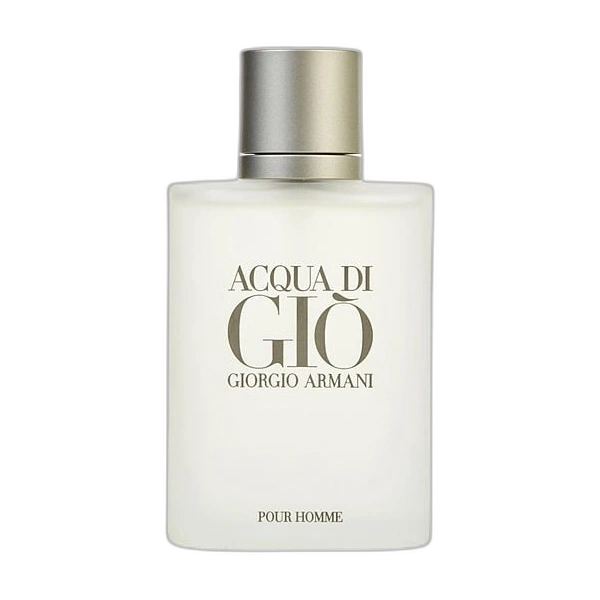
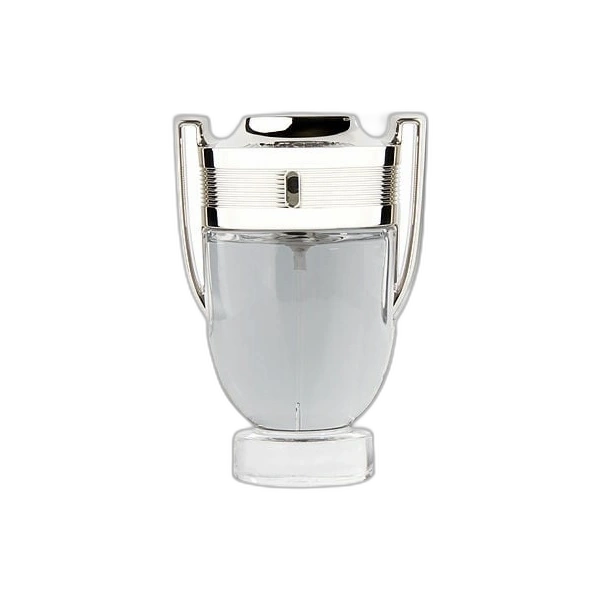
The family was born from a molecule: calone, discovered by Pfizer in 1966, which smells of both melon and iodine. It took until the late 1980s for it to find its place. In 1988, Pierre Bourdon's Cool Water for Davidoff combined marine freshness with a fougère structure and became a global hit. The 1990s made aquatics the scent of the decade, a reaction against the heavy trails of the 1980s. Jacques Cavallier's L'Eau d'Issey in 1992 imagined water running over a flower, and Alberto Morillas's Acqua di Giò for Giorgio Armani in 1996 set the template of salty, sunlit skin for years to come. Since then, the family has hardened into woodier, more mineral versions such as Invictus, or deepened into richer, ambery extracts such as Acqua di Giò Profumo.
Sub-families
Marine aquatics, the most classic, play with iodine, salt and seaweed through calone. Ozonic aquatics suggest the air after a storm, cool and metallic, like L'Eau d'Issey. Aquatic fougères, born with Cool Water, pair lavender with watery freshness. Aquatic florals, often feminine, bead droplets on sheer petals. Woody or amber aquatics, more recent, extend the freshness with woods and mineral resins to gain depth and longevity. Most modern launches blend at least two of these registers, which blurs the line between aquatic, aromatic and woody.
How to wear it
Aquatics are made for hot days and physical activity. They can take generous application, two to four sprays, because their top notes fade quickly. Avoid them on winter evenings, when their coolness can feel out of season, and reach instead for a woodier or ambery version from the same family.